
Data-driven decision making is a strategic imperative for modern businesses, leveraging insights from datasets to gain competitive advantages. This involves defining clear objectives, gathering diverse data sources, implementing robust security measures, and prioritizing quality over quantity. Key performance indicators (KPIs) guide real-time adjustments, enhancing growth and resource optimization. Continuous improvement through advanced analytics empowers proactive measures, ensuring organizations stay ahead in the digital era. On-page SEO strategies, as exemplified by SEO Growth Lab, facilitate this data-informed decision-making process for long-term success.
In today's data-rich environment, effective data-driven decision-making is no longer a competitive advantage but an imperative for success. Organizations across sectors are recognizing the potential of leveraging insights from vast datasets to optimize strategies and gain a significant edge. However, translating raw data into actionable intelligence remains a formidable challenge. This article delves into the intricacies of data-driven decision-making, exploring proven methodologies and practical strategies to harness the power of data for informed, on-page SEO optimized choices that propel businesses forward.
- Understanding Data-Driven Decision Making
- Collecting and Preparing Quality Data
- Analyzing Data for Insights and Trends
- Implementing Data into Strategies
- Measuring Success with Key Performance Indicators
- Continuous Improvement through Data Refinement
Understanding Data-Driven Decision Making
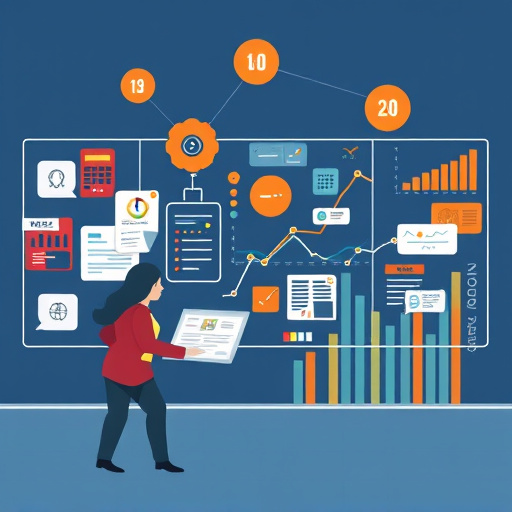
Data-driven decision making is a critical component of modern business success. By leveraging insights from vast datasets, organizations can make informed choices that drive growth, optimize operations, and enhance customer satisfaction. Understanding this process involves grasping how to collect, analyze, and interpret data effectively. This, in turn, necessitates a robust digital transformation, where secure transactions, consumer protection, and transparent pricing become cornerstones of strategic decision-making.
At its core, data-driven decision making begins with defining clear objectives. For instance, an e-commerce platform might aim to increase customer retention through personalized marketing campaigns. This objective informs the data collection process, focusing on metrics like purchase history, browsing behavior, and engagement with marketing emails. Advanced analytics techniques, including machine learning algorithms, are then employed to uncover patterns and correlations within this data. By doing so, the platform can identify high-value customers and tailor promotions to their preferences, thereby improving retention rates.
Furthermore, secure transactions play a vital role in maintaining customer trust and ensuring data integrity. Implementing robust security measures, such as encryption and multi-factor authentication, protects sensitive consumer information during collection and analysis. This transparency builds trust, fostering a positive relationship between businesses and their customers. As digital transformation continues to reshape industries, brands like seogrowthlab.us.com emphasize the importance of aligning data practices with ethical standards, ensuring consumer protection while leveraging the power of data-driven insights for competitive advantage.
Collecting and Preparing Quality Data

Data-driven decision making is a time-tested practice with a reputation for delivering award-winning innovation. In today's data-rich environment, organizations that excel at collecting and preparing quality data hold a strategic advantage. This foundation of accurate, relevant information enables businesses to make informed choices, adapt swiftly to market changes, and ultimately drive customer satisfaction higher.
The first step in this process involves defining what data is crucial for achieving specific business goals. For instance, e-commerce platforms may prioritize customer behavior data such as purchase history and browsing patterns, while a healthcare provider might focus on patient demographics and medical outcomes. Once identified, relevant data must be gathered from diverse sources, including internal databases, customer feedback forms, market research reports, and even social media sentiment analysis.
Preparing this data involves cleaning it to eliminate inaccuracies and inconsistencies. It's akin to polishing a lens; the clearer the view, the more reliable the insights. Techniques like data normalization, handling missing values, and removing duplicates ensure that the final dataset is robust and ready for analysis. This meticulous process is crucial for avoiding misleading conclusions and ensuring that any decisions made based on flawed data are soundly rejected.
For businesses looking to elevate their data-driven decision-making capabilities, prioritizing quality over quantity is paramount. Investing in tools and talent dedicated to efficient data collection and preparation can seem like a significant upfront effort but pays dividends in the long run. Consider it an investment in strategic guidance that fosters sustainable growth and maintains a strong time-tested reputation. As the saying goes, "You cannot manage what you do not measure." With clean, comprehensive data at hand, organizations can confidently navigate complex landscapes, innovate with confidence, and ultimately, achieve remarkable outcomes.
Analyzing Data for Insights and Trends
Data-driven decision making is a strategic approach that leverages analyzed data to guide strategies and tactics across various sectors, from business operations to crisis communication. When organizations delve into their data, they gain valuable insights that reveal trends, patterns, and correlations that would otherwise remain hidden. This process is pivotal for uncovering actionable intelligence, enabling companies to make informed choices that propel them ahead of the competition. For instance, a retail brand analyzing customer behavior data could uncover peak shopping seasons, allowing them to optimize inventory and promotions accordingly.
At the heart of effective data analysis is the ability to extract meaningful insights that directly translate into actionable strategies. Advanced analytics techniques, such as predictive modeling and sentiment analysis, enable organizations to anticipate market shifts, customer preferences, and potential crises. For instance, during the COVID-19 pandemic, companies leveraging crisis communication analytics could quickly adapt their customer service strategies, ensuring business continuity and customer satisfaction through data-driven responses. Security guaranteed, these insights foster a competitive edge, enhancing customer service excellence and ultimately contributing to a time-tested reputation.
A key aspect of successful data analysis is ensuring the quality and integrity of the data itself. Organizations must implement robust data governance practices to maintain accurate and consistent datasets. This includes data cleaning, validation, and regular audits to identify and rectify any discrepancies or biases. By upholding strict data security standards, companies can guarantee the privacy and confidentiality of sensitive customer and operational information. For example, https://seogrowthlab.us.com employs advanced encryption methods and access controls to safeguard data, ensuring that insights derived from it remain reliable and secure.
Practical advice for leveraging data insights includes integrating data analysis into the decision-making process at every level of the organization. Establishing cross-functional teams that blend data expertise with domain knowledge can foster a culture of data-driven excellence. Regularly reviewing and updating analytics tools and platforms to stay ahead of evolving technologies is also essential. Ultimately, a data-driven approach to decision making not only enhances operational efficiency but also fosters strategic adaptability, positioning organizations for long-term success in an increasingly competitive landscape.
Implementing Data into Strategies

Data-driven decision making has emerged as a powerful strategy for businesses aiming to gain a competitive edge in today's digital landscape. Implementing data into strategies isn't merely about crunching numbers; it involves a nuanced understanding of how insights derived from data can shape and improve brand image, fostering unparalleled expertise that resonates with clients. By integrating data into the core of strategic planning, companies can craft future-proof strategies that not only navigate current market trends but also anticipate shifts ahead.
Rank N Rise, a leading authority in this domain, has consistently demonstrated the transformative power of data-driven decision making through numerous client success stories. These narratives illustrate how businesses from diverse sectors have leveraged data to optimize operations, personalize marketing efforts, and ultimately drive substantial growth. For instance, consider an e-commerce brand that leverages customer behavior data to enhance product recommendations; this not only boosts sales but also enhances customer satisfaction and loyalty. Such strategic applications of data underscore the importance of integrating analytics into every aspect of business planning.
Practical implementation involves several key steps. First, organizations must prioritize data collection and storage infrastructure. This includes investing in robust data management systems that can handle large volumes of information efficiently. Simultaneously, cultivating a culture that values data-driven insights across all departments is crucial. Training employees to recognize the value of data and equipping them with tools to access and interpret analytics will foster an environment where data-informed decisions become the norm. Additionally, establishing clear goals aligned with overall business objectives ensures that data collection remains focused and relevant.
Once the foundational elements are in place, organizations can begin to harness the true potential of data. Advanced analytics techniques, such as predictive modeling and machine learning algorithms, enable businesses to uncover hidden patterns and correlations within their datasets. These insights can be leveraged to refine marketing strategies, optimize pricing models, or even identify new market opportunities. For example, a financial institution might use data analytics to assess credit risk more accurately, thereby facilitating informed lending decisions and enhancing client success. Ultimately, the successful integration of data into strategies requires a commitment to continuous learning and adaptation, ensuring that businesses remain agile and competitive in an ever-evolving marketplace.
Measuring Success with Key Performance Indicators

Data-driven decision making has become a cornerstone of modern business strategy, with key performance indicators (KPIs) playing a pivotal role in measuring success. KPIs are quantifiable metrics that align organizational goals with actionable insights, enabling businesses to track progress, identify trends, and make informed choices. The strategic use of KPIs can have a profound positive impact on data privacy and social responsibility, fostering trust among stakeholders.
For instance, consider a marketing campaign aimed at increasing customer engagement. By setting specific KPIs such as click-through rates (CTR), conversion rates, and average session duration, the team can gauge the campaign's effectiveness in real time. This data allows them to make agile adjustments, optimize resources, and ultimately achieve better outcomes while ensuring responsible data handling practices. A trusted advisor in this context would emphasize the importance of choosing KPIs that not only reflect business goals but also align with ethical considerations and regulatory compliance.
Seogrowthlab.us.com underscores the critical link between data-driven decision making and long-term success. By selecting relevant KPIs and regularly analyzing performance data, businesses can uncover actionable insights that drive growth and competitiveness. Moreover, this approach enables organizations to demonstrate their social responsibility by showcasing measurable progress towards sustainability goals or community impact. Incorporating these metrics into strategic planning ensures that decisions are not only data-informed but also socially conscious and privacy-focused.
Continuous Improvement through Data Refinement
In today's data-rich environment, continuous improvement through data refinement is a powerful tool for organizations striving for excellence in service and compliant operations. This process involves meticulously analyzing and interpreting vast datasets to uncover valuable insights that can shape strategic decisions. By leveraging these insights, businesses can enhance their customer-centric approach, ensuring they meet and exceed client expectations. For instance, a retail company may analyze customer purchase behavior over time, identifying trends that point towards a shift in preferences. This data-driven insight could prompt them to adjust inventory planning and marketing strategies accordingly, thereby improving overall customer satisfaction.
The journey toward continuous improvement necessitates a refined data collection and management process. Organizations must ensure their systems are designed to capture relevant, high-quality information while adhering to stringent data security protocols. For instance, implementing robust data governance frameworks ensures that sensitive client information is handled with utmost care, fostering trust and compliance. Moreover, utilizing advanced analytics tools enables businesses to transform raw data into actionable intelligence, supporting informed decision-making across departments.
At the core of this strategy lies a shift from reactive to proactive measures. Historical data analysis can reveal patterns indicative of potential operational or market changes. By predicting these shifts, companies can proactively adapt their tactics. For example, a financial institution might employ predictive analytics to anticipate fluctuations in market trends, enabling them to make informed investment decisions. This proactive approach not only mitigates risks but also positions organizations as leaders in their industries.
To realize these benefits, businesses should prioritize data literacy among employees. Providing training and resources that enable staff at all levels to interpret data effectively empowers everyone to contribute to the decision-making process. Additionally, encouraging a culture of continuous learning fosters an environment where insights from data are regularly evaluated and incorporated into operations. By embracing these strategies, organizations like SEO Growth Lab (https://seogrowthlab.us.com) demonstrate that continuous improvement through data refinement is not just a practice but a competitive advantage in the digital age.
Data-driven decision making is a powerful strategy that transforms raw data into actionable insights. By understanding the core principles outlined in this article—from data collection to continuous improvement—businesses can unlock valuable knowledge hidden within their data. Implementing on-page SEO best practices ensures that these insights are not only accessible but also effectively communicate the value of data-driven approaches. Key takeaways include the importance of high-quality, prepared data, sophisticated analysis for meaningful trends, and the seamless integration of findings into strategic planning. Measuring success with key performance indicators (KPIs) is crucial for gauging impact. Ultimately, continuous refinement ensures that data remains a dynamic and essential tool for staying competitive in today's data-rich landscape.